
Introduction to the NABH Entry Level Process
Healthcare quality and patient safety are becoming increasingly important priorities for hospitals across India. Patients today expect hospitals to follow structured treatment protocols, maintain high safety standards, and provide reliable healthcare services. In this evolving healthcare environment, accreditation has become a crucial indicator of quality.
The NABH entry level process is designed to help hospitals begin their journey toward implementing recognized healthcare standards established by the National Accreditation Board for Hospitals & Healthcare Providers (NABH).
For many hospitals, especially small and mid-sized healthcare facilities, the NABH entry level process serves as the ideal starting point before pursuing full NABH accreditation. It allows hospitals to gradually build quality management systems while improving patient safety practices and operational efficiency.
Hospital administrators and healthcare decision makers often have questions about how the NABH entry level process works, what documentation is required, and how long the accreditation journey takes.
This guide explains the NABH entry level process in detail so hospitals can understand the steps required to achieve certification successfully.
What is the NABH Entry Level Process?
The NABH entry level process is a simplified accreditation framework created for hospitals that are starting their quality improvement journey.
This certification ensures that hospitals implement essential healthcare standards related to patient safety, documentation systems, and clinical processes.
Unlike full NABH accreditation, the entry level process focuses on implementing basic quality systems that help hospitals establish a strong operational foundation.
Hospitals that complete the entry level process receive official certification from NABH, demonstrating their commitment to maintaining quality healthcare services.
Why Hospitals Should Begin with the NABH Entry Level Process
Hospitals that implement the NABH entry level process benefit in multiple ways. The certification helps healthcare organizations develop structured systems that improve both clinical outcomes and operational efficiency.
Improved Patient Safety
One of the primary goals of the NABH entry level process is to introduce structured patient safety systems. Hospitals begin implementing protocols that minimize medical errors and improve patient care outcomes.
Standardized Healthcare Systems
The NABH entry level process encourages hospitals to develop standardized policies and procedures across all departments.
This ensures consistency in patient treatment, documentation, and hospital management.
Increased Patient Trust
Hospitals that complete the entry level process gain credibility in the healthcare market. Patients and insurance providers often prefer hospitals that follow recognized quality standards.
Preparation for Full NABH Accreditation
The NABH entry level process acts as the foundation for hospitals that plan to pursue full NABH accreditation in the future.
Hospitals that implement entry-level standards find it much easier to upgrade to higher levels of accreditation.
Eligibility Criteria for the NABH Entry Level Process
The NABH entry level process is available to various types of healthcare facilities in India.
Healthcare Facilities Eligible for the NABH Entry Level Process
Hospitals that can apply include:
- Small hospitals
- Multi-specialty hospitals
- Nursing homes
- Day care centers
- Specialty hospitals
- Private healthcare facilities
Even newly established hospitals can start the NABH entry process if they meet the minimum operational requirements.
Basic Requirements for Hospitals
Before starting the NABH entry level process, hospitals should ensure they have:
- Valid hospital registration
- Qualified medical staff
- Operational patient care services
- Basic infrastructure for clinical services
- Defined administrative and management systems
Meeting these requirements ensures hospitals are ready to begin the NABH entry level process.
Key Objectives of the NABH Entry Level Process
The NABH entry level process aims to improve hospital systems through structured quality standards.
Patient Safety Systems
Hospitals implement protocols that protect patients from unsafe practices and medical errors.
Clinical Quality Improvement
The NABH entry level process promotes standardized treatment protocols to improve patient outcomes.
Infection Control
Hospitals establish infection prevention programs that reduce hospital-acquired infections.
Documentation and Accountability
Hospitals maintain structured documentation systems that ensure transparency and compliance with NABH guidelines.
Step-by-Step NABH Entry Level Process
Hospitals planning accreditation must understand the stages involved in the NABH entry level process.
Step 1: Gap Analysis
The first step in the NABH entry level process is conducting a gap analysis.
Gap analysis helps hospitals identify differences between their existing systems and NABH standards.
During this stage, hospitals evaluate:
- Hospital policies and procedures
- Patient care systems
- Infection control protocols
- Documentation practices
- Staff training systems
- Emergency preparedness plans
The results of the gap analysis help hospitals develop a clear roadmap for completing the entry level process.
Step 2: Implementation of NABH Standards
After the gap analysis, hospitals begin implementing required improvements.
The NABH entry level process requires hospitals to establish structured systems across key operational areas.
Key Implementation Areas
Hospitals must develop systems related to:
- Patient admission and discharge procedures
- Patient rights and education
- Medication management systems
- Infection prevention and control
- Biomedical waste management
- Staff credentialing and training
Implementing these systems ensures hospitals align with NABH quality standards.
Step 3: Documentation Preparation
Documentation plays a major role in the NABH entry level process.
Hospitals must prepare documents that demonstrate compliance with NABH standards.
Important Documents Hospitals Must Prepare
Hospitals should maintain documentation such as:
- Hospital quality manual
- Standard Operating Procedures (SOPs)
- Infection control policies
- Patient care protocols
- HR policies and staff records
- Biomedical waste management procedures
Proper documentation helps hospitals maintain consistent operations throughout the NABH entry level process.
Step 4: Staff Training and Awareness
Hospital staff must understand NABH standards for successful accreditation.
The NABH entry level process requires hospitals to train doctors, nurses, and administrative staff on quality systems.
Key Training Topics
Staff training programs should include:
- Patient safety practices
- Infection control measures
- Emergency response procedures
- Documentation standards
- Quality improvement systems
Training ensures hospital teams actively support the NABH process.
Internal Audit and Mock Assessment in the NABH Process
Before applying for official certification, hospitals should conduct an internal audit. This is an important stage of the NABH entry level process because it helps hospitals identify gaps before the final assessment.
Importance of Mock Audits
Mock audits simulate the actual NABH inspection and help hospitals understand whether their systems are fully compliant with required standards.
During mock audits, hospitals evaluate:
- Implementation of hospital policies
- Staff awareness of NABH procedures
- Documentation accuracy
- Infection control practices
- Patient safety protocols
Hospitals that perform internal audits are more likely to succeed in the NABH entry level process without delays.
Applying for the Entry Level Process
Once the hospital has completed system implementation and documentation preparation, it can officially apply for certification.
Application Procedure
Hospitals must submit their application through the NABH online portal.
The application for the NABH entry level typically includes:
- Hospital registration details
- Infrastructure information
- List of healthcare services
- Staff details
- Required application fee
After submitting the application, NABH reviews the hospital’s eligibility before scheduling the assessment.
NABH Assessment During the Entry Level
The assessment stage is one of the most important phases of the NABH entry level process.
What NABH Assessors Evaluate
During the evaluation visit, NABH assessors review multiple aspects of hospital operations.
Assessors evaluate:
- Hospital documentation systems
- Clinical protocols and procedures
- Infection control practices
- Patient safety implementation
- Staff awareness of hospital policies
- Emergency preparedness systems
The purpose of the assessment is to ensure hospitals meet the standards required in the NABH entry level process.
Certification Approval in the Entry Level Process
After completing the assessment, NABH reviews the evaluation report.
Corrective Actions (If Required)
If assessors identify minor non-compliance issues, hospitals may be asked to implement corrective actions before final approval.
Hospitals must submit evidence that these improvements have been implemented.
Once compliance is confirmed, NABH grants Entry Level Certification.
Successfully completing the NABH entry level process demonstrates that the hospital follows nationally recognized quality standards.
Timeline for the Entry Level Process
Many hospital administrators want to know how long the entry level process typically takes.
Typical Accreditation Timeline
The timeline varies depending on hospital preparedness.
However, most hospitals complete the NABH entry level within 3 to 6 months.
Example timeline:
Gap Analysis → 1 week
Implementation of Systems → 2–3 months
Documentation Preparation → 1 month
Staff Training → 2–3 weeks
Internal Audit → 1 week
Final Assessment → 1–2 weeks
Hospitals that work with experienced consultants often complete the entry level process faster.
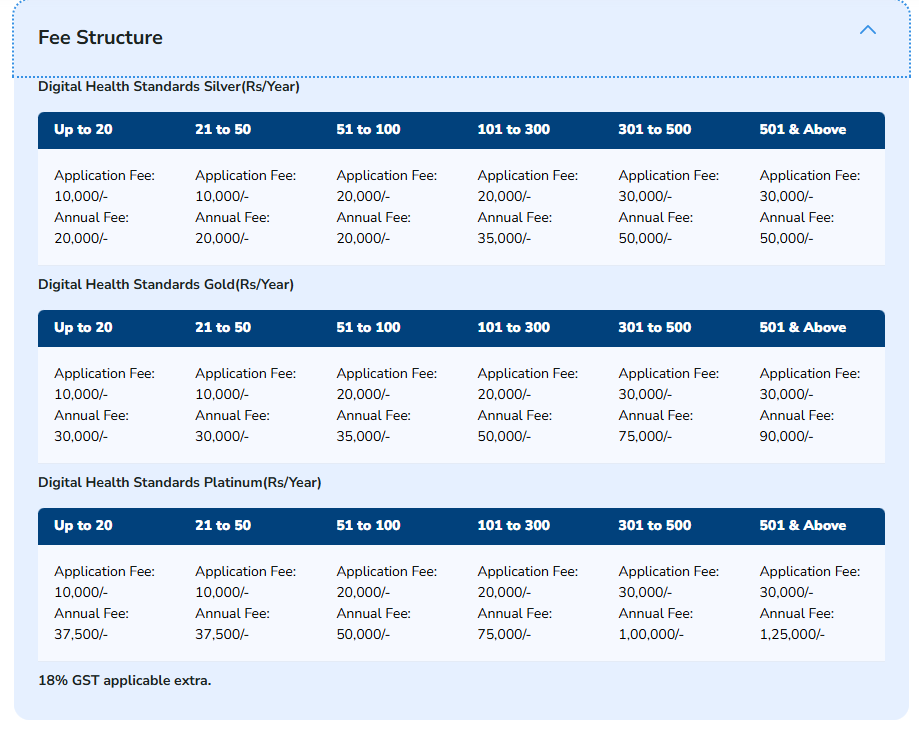
Cost of the Entry Level Process
Hospitals often consider financial investment before beginning accreditation.
The cost of the NABH entry level process depends on several factors.
Factors Affecting Cost
- Hospital size and bed capacity
- Existing infrastructure readiness
- Documentation requirements
- Staff training programs
- Consultancy services
Common expenses involved include:
- NABH application fees
- Documentation development
- Staff training programs
- Implementation of quality systems
- Consultancy support
Although the NABH entry level process requires investment, the benefits significantly outweigh the costs.
Common Challenges in the NABH Entry Level
Many hospitals face challenges during accreditation preparation.
Lack of Documentation Systems
Hospitals without structured documentation often struggle during the NABH entry level
Limited Staff Awareness
If hospital staff are not trained on NABH standards, implementation becomes difficult.
Weak Infection Control Practices
Infection prevention is a critical part of the NABH entry level.
Hospitals must ensure strict sterilization and hygiene protocols.
No Internal Audit
Hospitals that skip internal audits often encounter unexpected issues during the final NABH assessment.
Benefits of Completing the NABH Entry Level
Hospitals that successfully complete the NABH entry level gain several strategic advantages.
Improved Patient Safety
Standardized clinical protocols reduce medical errors and improve healthcare outcomes.
Increased Patient Confidence
Patients prefer hospitals that follow recognized healthcare quality standards.
Stronger Hospital Reputation
Hospitals that complete the NABH entry level process gain credibility within the healthcare industry.
Foundation for Full NABH Accreditation
Entry-level certification prepares hospitals for advanced accreditation programs.
Final Thoughts on the Entry Level Process
The NABH entry level process provides hospitals with a structured pathway to improve healthcare quality, patient safety, and operational efficiency.
Hospitals that implement NABH standards strengthen their internal systems and build long-term credibility in the healthcare sector.
With proper preparation, documentation, and staff training, hospitals can successfully complete the NABH entry level process and take the first step toward achieving full NABH accreditation.
⭐ Planning NABH certification for your hospital?
⭐ Get expert support for gap analysis, documentation, and accreditation preparation today.